On this last day in January, I thought I’d post a movie list as cold and bleak as a winter day.
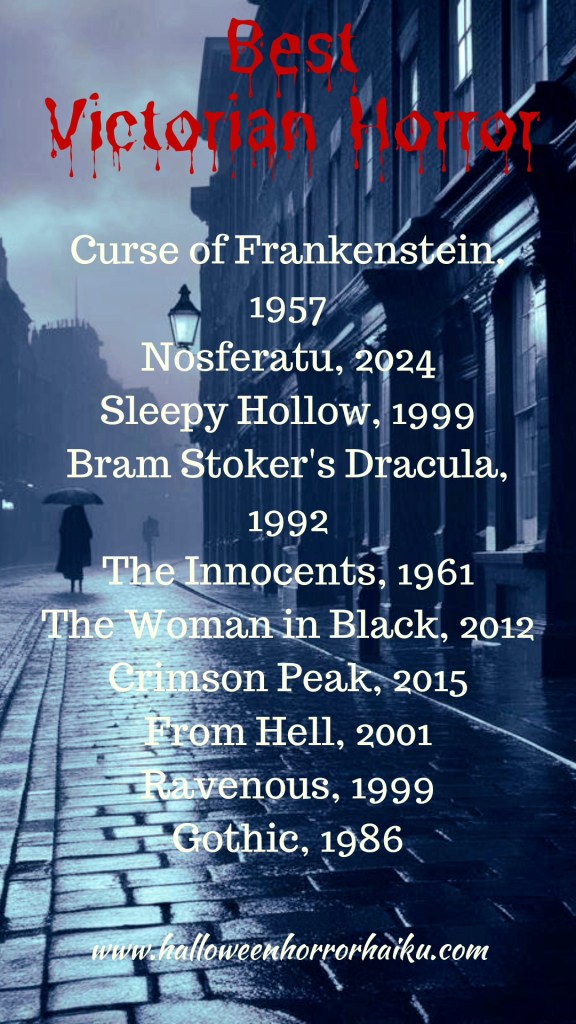
I recently saw Robert Egger’s retelling of Nosferatu in the theaters. Anyone familiar with Eggers work, in particular 2015’s The VVitch, knows that the director pays meticulous attention to detail and pulls no punches in getting his period films to look, sound and feel authentic to period of time the story is set in. I highly recommend Nosferatu for anyone into gothic victorian horror and lovers of the novel Dracula by Bram Stoker.
Victorian Horror films are some of my favorite types of horror because the atmosphere is filled with such dark despair, viewers want to wrap themselves in a blanket just to watch the movie. This is in no means a comprehensive list, but it’s a darn good start!
The theme this month is November’s Undead Embrace. Most vampire movies feel like autumn, or winter, with the exception of The Lost Boys, which had cool summer vibes.
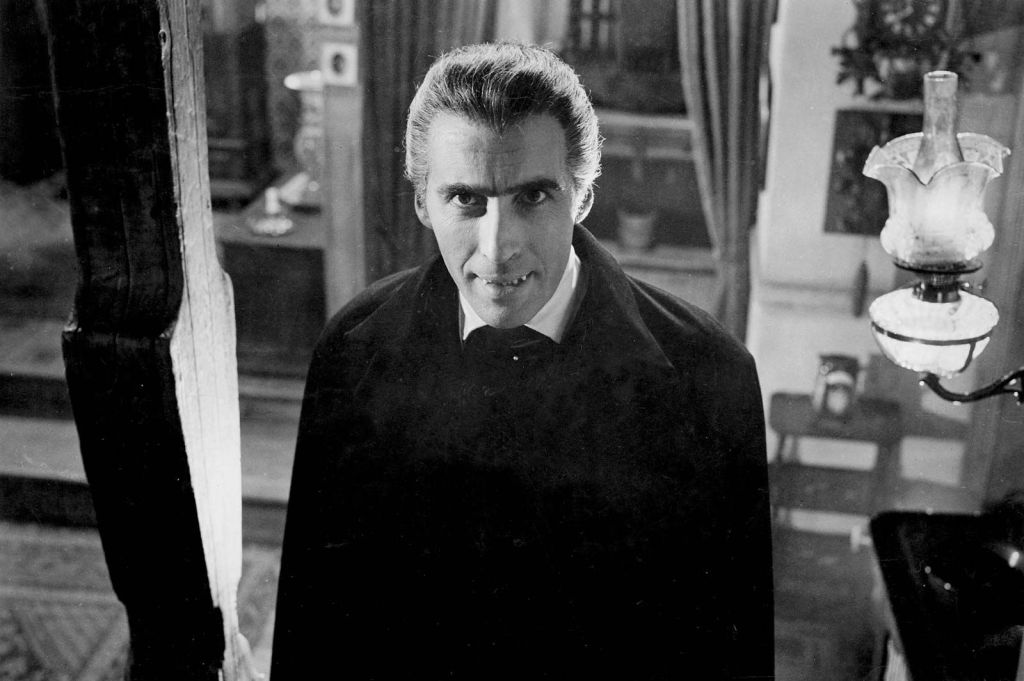
My list of faves is made up of all older movies. Honestly, Abigail was the last good vampire flick I’ve recently seen. Some on my list are endearing, all the Draculas, because Bram Stoker’s Dracula is one of my favorite novels. Dapper and mysterious, the hyponotizing Bela Lugosi is still the best, but Frank Lagella was sauve and sophisticated enough to make forget all about those bad disco effects. Gary Oldman was tall, dark, and handsome, but honestly, young Christopher Lee still might be my favorite, sinister and sexy. He turned me onto Hammer Horror, and no one does olde English victorian goth better than Hammer.
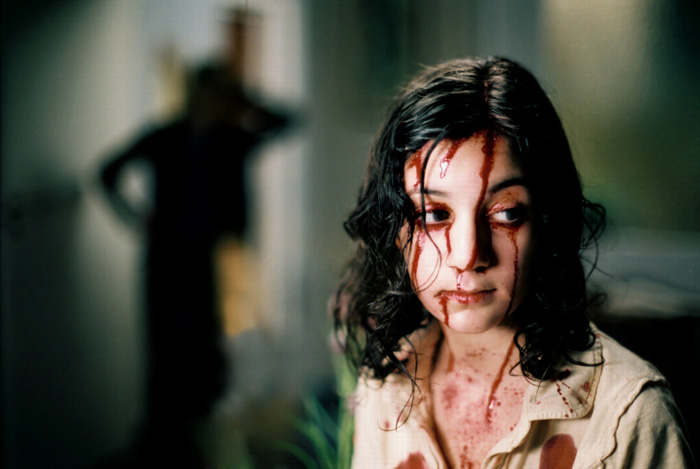
The original Swedish Let the Right One In, from 2008, the gruesome horror coming of age tale, had the best story of all the vampire movies I’ve ever seen (it was also based on a novel by John Ajvide Lindqvist).
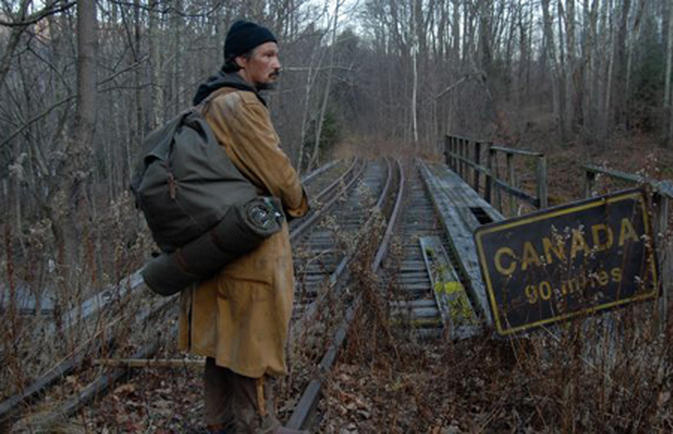
And the militia controlled religious zealotry of the American apocalypse featured in Stakeland is something I very much forsee happening to our great nation, minus the vampires, well, maybe…
The other films, oh hell, I just like sleek, fun action horror monster movies.
So, here’s the list. Perfect for a Black Friday movie marathon, or you can go fight off real life vampires at the stores if that’s your thing. Bwahahaha😄
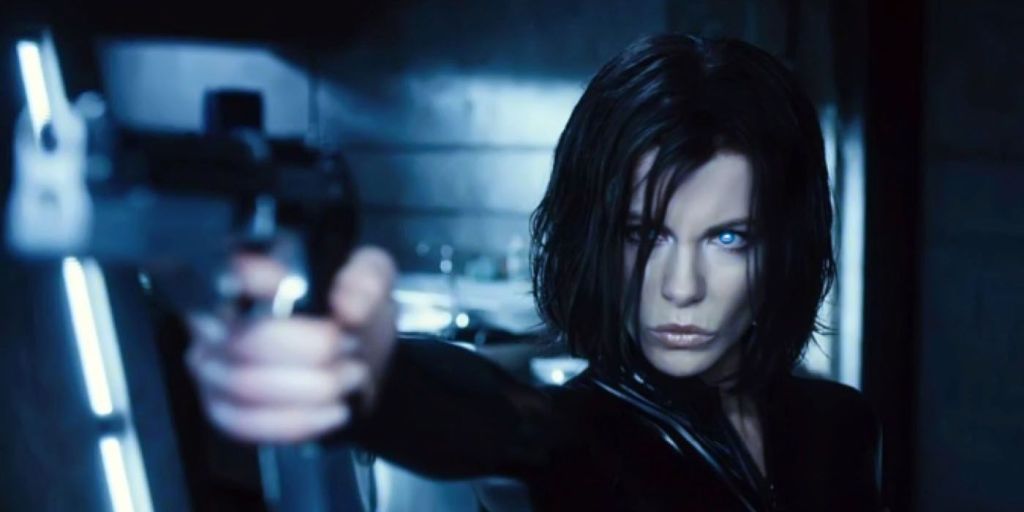
Dracula, 1931 Let the Right One In, 2008 The Lost Boys, 1987 Stakeland, 2010 Horror of Dracula, 1958 Dracula, 1979 Bram Stoker’s Dracula, 1992 Near Dark, 1987 Blade, 1998 Underworld, 2003
Honorable Mentions: Salem’s Lot Fright Night Afflicted The Hunger Only Lovers Left Alive A Girl Walks Home Alone at Night Interview with a Vampire From Dusk til Dawn
I hope everyone has a wonderful Thanksgiving holiday or a very happy Thursday.
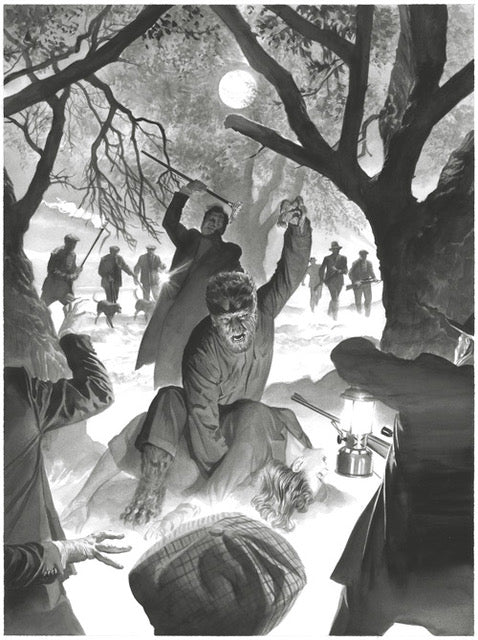
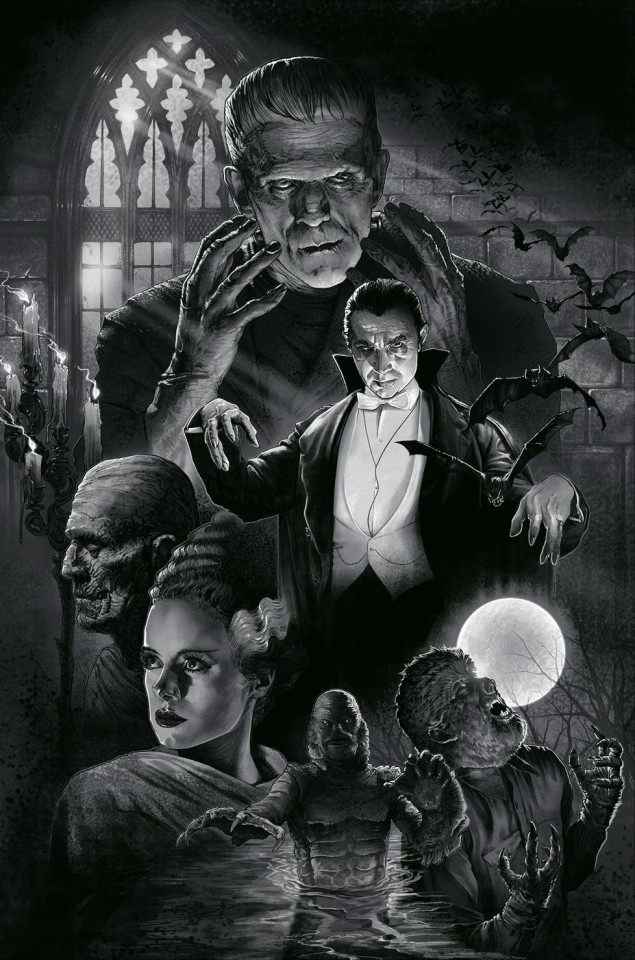
Today, we celebrate the one and only art master Alex Ross, as a special tribute to Halloween, with a look at his beautiful magnificent drawings of the beloved Universal monsters.
Why we love it: Alex Ross’ influence on comic book artists is unparalleled. The man’s technical artistry is awe-inspiring, with his ability to show realism and the emotional depth of characters truly makes them come alive.
I could just sit here all day describing him with good adjectives. Mr. Ross is simply a marvel. One doesn’t just look at his art, they have feelings.
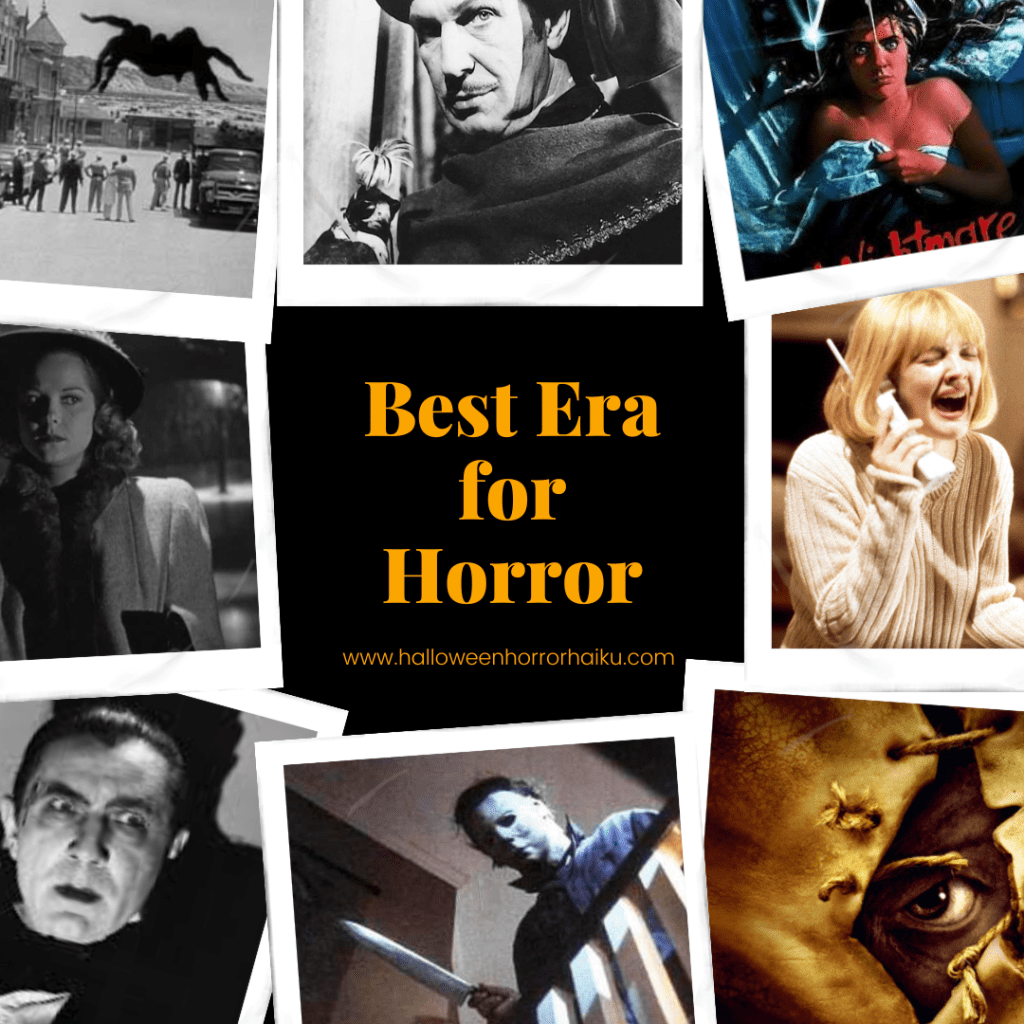
Horror films have captivated audiences since before Universal’s wild heyday of Horror during the 1930s. Each era has had great scary films and some so good, they spawned sequels and created franchises. Jaws, a 1975 horror adventure from a new young director Steven Spielberg gave birth to the summer blockbuster! In fact, thanks to horror, some amazing technical achievements have been discoverd, like new camera and lighting tricks and, make-up, and special fx. Horror films are truly the backbone of Hollywood.
Art by Hao Shun Da
I personally have been a horror film fan for over 40 years and I pride myself on having seen a majority of scary films and always look forward to those I’ve havent found yet. But there’s just one thing I haven’t been able to figure out, and that’s which era had the best horror. Was it Universal’s monster era or the SciFi greatness of the 50s, or how about the great slasher films of the 80s? It’s so hard to choose! Help me out!
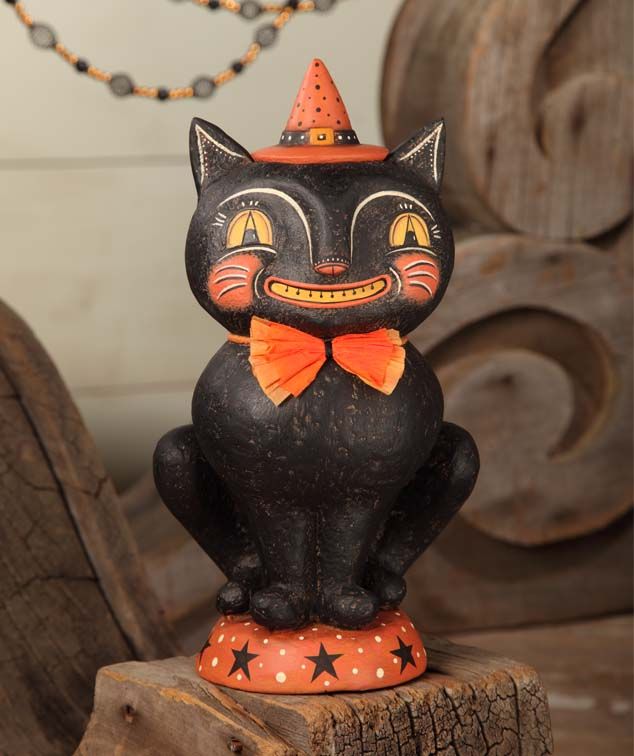
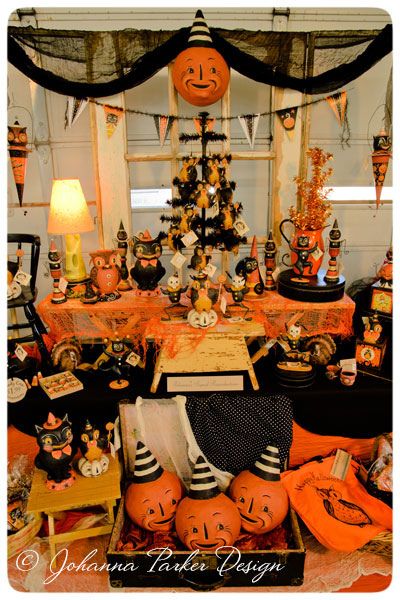
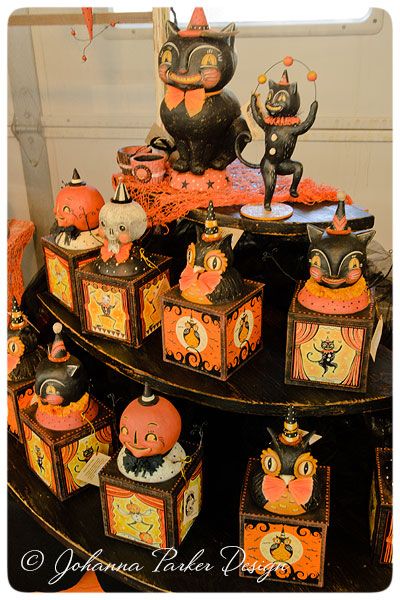
Why we love it: Johanna Parker’s name is synonymous with Halloween folk art and vintage Halloween replicas. She often partners with top retail and wholesalers, where her art and designs are featured on everything from art and clothing to Halloween decorations and home goods.
Spooky Sundays are all about reading, relaxing, and recharging our brooms. I just realized I forgot to put up last week, so I’ll include last week too. Here’s a visual recap of this past week.
Lately, I’ve been rewatching a lot old classic horror movies and the Universal monster movies are still my faves. Fans of the 1930s viewed the supernatural fantasy as an escape from the daily misery, living through the depression. The films may seem tame or not as scary or sophisticated as the films of today, but for some movie goers, the stories were based on popular cultural myths and legends, while others had never heard of these creatures at all. Swamp creatures and the reanimated dead were the super scary, particularly to those who were extremely religious.
I tried to figure out which monster I thought was scariest but I’m on the fence. Help me determine which monster is the scariest.
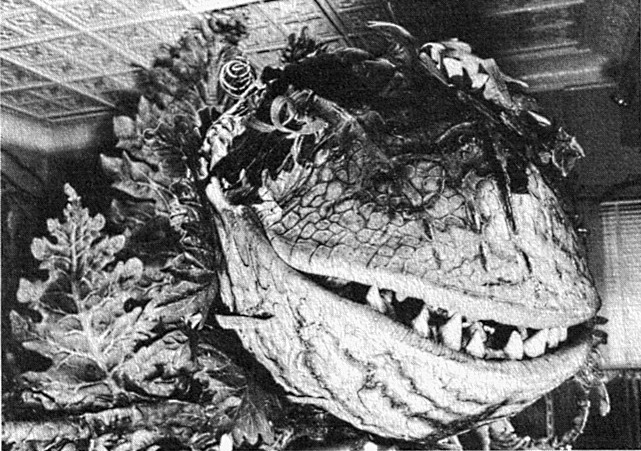
Title: Little Shop of Horrors Director: Roger Corman Screenwriter(s): Charles B. Griffith Starring: Jonathan Haze, Jackie Joseph, Mel Welles, Dick Miller, and Jack Nicholson Distributed by: The Filmgroup Year: 1960 Run Time: 1 hr 10 minutes
Bumbling florist assistant Seymour and his pretty colleague Audrey work in rundown floral shop on skid row, run by the cranky Mr. Gravis Musgnick. After getting fired for messing up order for crazy local dentist, Seymour claims to be growing a unique surprise plant for the owner. A flower-eating customer Burson Fouch tells Mushnick a special plant can help his businesses grow, so Mushnick gives Seymour one week to drum up business.
Named Audrey Jr., affectionately named after his co-worker, Audrey Jr. is a scrawny little bud cultivated from unknown seeds that were given to Seymour by a Japanese florist. Seymour has trouble feeding Audrey Jr., that is until he pricks his finger and he realizes the plant feeds on blood. So, he begins a feeding the plant a steady diet of his own blood.
With business blooming, Audrey Jr. grows bigger each day and even learns to talk, demanding more and more blood, leading poor Seymour to realize he’s got a big problem on his hands. One day during a walk, he accidentally knocks out a drunk, who then falls on the tracks and gets killed by a train. Guilt-ridden Seymour feeds the man’s body parts to Audrey Jr., who grows ten times bigger.
Of course, with a man-eating talking plant, the body count rises and eventually, the film’s narrator Sgt. Joe Fink and local homicide come calling.
One of Roger Corman’s earliest films was never meant to be a comedy. Corman originally wanted to write a detective story. Screenwriter Charles B. Griffith wanted to write a horror-comedy. At some point, during development, Corman learned that the sets they used for Bucket of Blood were about to be torn down. Never one to miss an opportunity to save money, Corman and Griffith hammered out their script, which was heavily influenced by the original science fiction short story ‘The Reluctant Orchid’ by Arthur C. Clarke and set out to film the movie in three days.
Corman never thought Little Shop of Horrors would make any money beyond its first theatrical run, much less become a cult hit, so he mistakenly let the movie fall into public domain by failing to secure the copyrights.
It can now be found on several streaming services, including Amazon Prime.















You must be logged in to post a comment.