Sinister Saturdays- Gonjiam: Haunted Asylum Review

I found this South Korean ghost flick while strolling through Tubi the the other day. Korean horror cinema is known for its bleak and tragic outcomes and this one was right on point.

Inspired by a real CNN travel story that named Gonjiam one of seven freakiest places on Earth, Director Jung Bum-shik crafts a story of a web series film crew live streaming their visit to the abandoned South Korean asylum, in hopes to make big money, only to find it plagued with demonic forces.

The movie starts with a motley group answering an ad posted by Youtube owner Ha-joon for “Horror Times” to shoot a live-streamed event held at the long abandoned and haunted Gonjiam, the site where dozens of curious trespassers and self-proclaimed ghost hunters have disappeared from. Room 402 in particular is so haunted, no one can even open the door. The controversial mental hospital had closed after the death of its pioneer director, who mysteriously killed herself. Rumor was, the asylum was actually a place designed to torture and kill political prisoners.

Now, if there’s one thing I’ve learned from decades of watching paranormal films, is that ghosts don’t like liars and fakers, but what they hate most of all is being disrespected and underappreciated. Basically, all ghosts act like teenage girls.

Despite the natural setting of an abandoned hospital, the film crew’s captain, played by Wi Ha-joon from Squid Game fame, decides to trick audiences by setting up fake shots of “haunted activity”. Ugh! Ha-joon sets up camp a half mile down the road to control the broadcasts, all while directing his crew to film and go where he wants.

Well, dude, the spirits see your creepy doll and motion detector lights, and raise you wheelchairs that move on their own, ghastly ping pong balls, and changing wall messages from “let’s live” to “let’s die”.

As the exploring crew go deeper and deeper into the hospital, their experiences with the former residents increase enough to spook them out and they all try to flee. It doesnt take long for them to find out though, once you’re admitted to Gonjiam, there’s no escape.
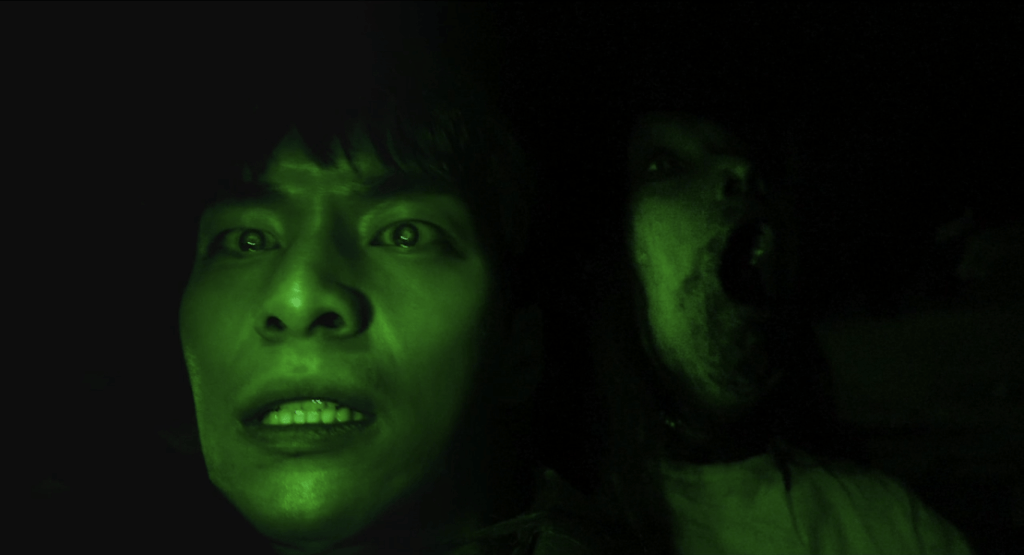
Gonjiam is a mix of standard horror fare and hand-held camera footage, which provides the most scares. The formulaic film relies heavily on the dark atmosphere and jump scares, but honestly, there’s not enough of them to make this film stand out. That said, it’s not the worst way to spend the evening.

Sinister Saturdays- Lake Mungo Review

Since its release in 2008, the psychological thriller Lake Mungo consistently shows up in peoples’ top scary movies you’ve never seen lists. This was originally a movie that I skipped back in the day because it was a found footage horror like mega-hits The Blair Witch, 1999, or Paranormal Activity, 2007. Although hugely popular, I thought slow-burn, hand-held shaky cam stylized horror films had oversaturated the market in the 2000s and I grew tired of them. The only found footage gem to come from that era was the 2007 Spanish zombie film Rec.

Instead of in-your-face jump scares, slow-burn horror movies move at a snail’s pace and build up all the tension up front, usually for an hour and a half, all for one big giant scary payoff at the end. It’s a film technique that flat-out doesn’t work for some horror fans, particularly any with attention deficit disorders. After finding Lake Mungo on good ole Tubi, I decided to give it a try. After getting over my usual gripes about slow-burn, found-footage films, I began to appreciate Lake Mungo for what the film was really selling, death and existential dread.

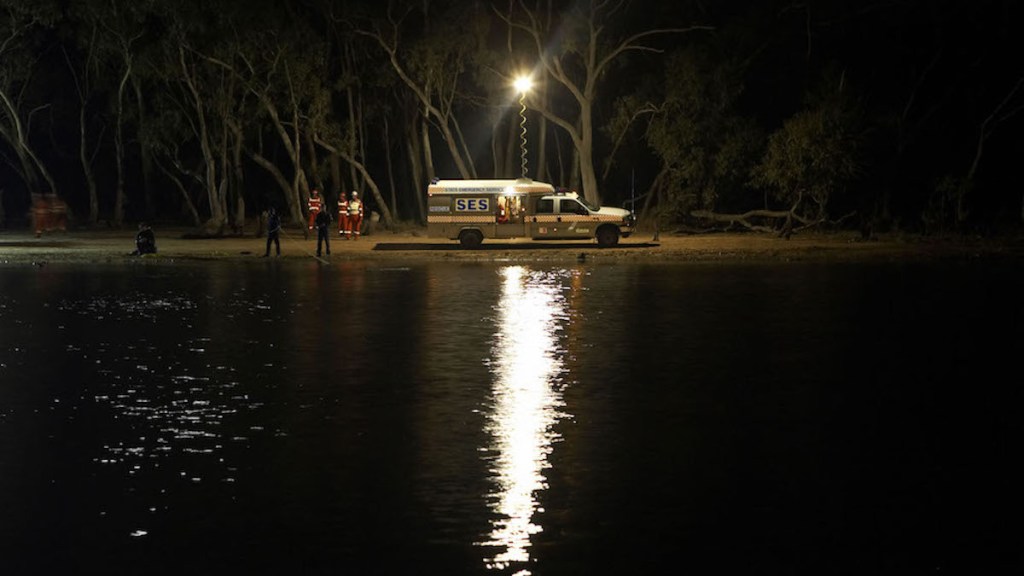
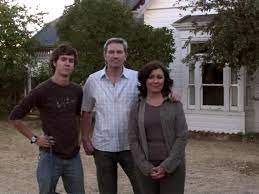
The movie starts with a typical Australian middle-class family living in Victoria suburbia of Ararat, explaining through documentary-style interviews and shared family and police photos and videos, how the recent mysterious loss of their teenage daughter Alice has devastated their family.

Watching a family grieve is never fun. Audiences are immediately thrust into one family’s nightmare scenario and it’s here where the excellent casting becomes one of the most brilliant things about Lake Mungo. Thanks to these strong unassuming low-key performances, the beginning is utterly depressing. It feels like you’re watching a documentary about a real family mourning their daughter, sister, and friend, a beautiful, cheerful girl living what we think is the perfect life. The painful agony of tragically losing a loved one hits hard, yet, boredom might set in for anyone who hasn’t experienced any such loss.

Eventually, evil starts to seep into the family’s photographs and found footage as the movie progresses. Through police photos, we learn what Alice’s father Russell saw when he identified Alice’s body but Alice’s mother June couldn’t bring herself to look, which leads to her not finding closure. Later, a particularly agonizing stunt pulled by her grieving son Matthew, who is also dealing with his sister’s death in a different way, prompts June to begin questioning whether her daughter is actually dead.

In her quest, June meets a psychic Ray who may hold the key to understanding Alice’s untimely demise. June and the family uncover truths about Alice’s double life and clues leading them back to the source of evil at Lake Mungo.


In his feature-length writing and directorial debut, Joel Anderson makes all the smart choices in mixing documentary-style interviewing, showing photographs, and found footage video to tell his story. While some shots are repeated, and there are a few red herrings, no scene is wasted. You’re constantly fed new information and you’ll start scouring the screen looking for ghosts or signs of the paranormal. The tension towards the end is agony because you know something is not right, but you’re not sure what it is. Be sure to watch through the credits as the extra photos confirm paranormal evidence.

Haiku of the Week

Part IV and the conclusion of the March Mischief series.

black death carriage
ale with the dullahan
pub crawl continues

Haiku of the Week

Part III of the Deadly Love Spell haiku series.

unintended love
face the consequences
married to the doom

Haiku of the Week

Our little ghost has no name, but he wanders the hallways of his old home this December, looking for Christmas cheer. The theme this month is haunted holidays.

grand noble fir
lit candles on the branches
our last Christmas eve

Haiku of the week

Monday Macabre is all about the scares during the October, but this year, we’re tapping into the psychological fear of dystopian Halloween horror.

Humans wear the scariest masks. Their desperate power grabs will not only destroy our beloved holiday, but civilized society along with it.

scary masks of death
nuclear Halloween
trick or treat no more

Wicked Art Wednesdays – Kellen Carranza

The theme this month is Dystopian Halloween. What Halloween traditions survive a post-apocalyptic landscape will be up to the survivors. For some of us, Halloween is instilled in our soul. We’ll easily find a way to celebrate the dead. That’s what comes to mind when I found this awesome spooky art from Kellen Carranza.

Halloween Dias De Los Muertos Sci Fi Chica Tattoos Pumpkin Skulls and Sneakers

Artist: Kellen Carranza
Company/Studio/Website:
https://www.artstation.com/artofkellencarranza
Where to Purchase Goods:
https://www.designbyhumans.com/shop/KellenC/

Haiku of the Week

The theme this month is a Witch’s Halloween Spellbook.

mystical verses
intentions must be clear
the book of the dead

Haiku of the Week

Our theme this month is cemetery life.

black paved roads guide us
no letting go of the past
cemetery path

Haiku of the Week

During this last week in April, Halloween lovers reanimate after a long hibernation. Walpurgisnacht marks the halfway point to Halloween and revelers are planning for a ghoulish good time.

Our theme this month has been Zombie Spring.

trampled gardens
flowers covered in blood
spring of the undead